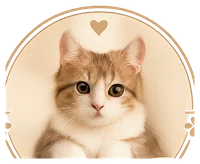
What is cat kneading?
Kneading is the rhythmic pushing of a cat's front paws against a soft surface, often alternating left and right. Some cats keep their claws sheathed while others extend them, which is why it can feel pleasant or painful depending on the cat. It is a normal behavior in cats of every age, and it is often called "making biscuits".
Why do cats knead?
Experts point to several overlapping explanations, and more than one can apply to the same cat.
- It begins in kittenhood. Nursing kittens push against their mother to stimulate milk flow. Adult cats can keep the habit and associate it with the comfort they felt while nursing, especially around someone they trust or on a soft blanket.
- It feels good and calms them. Many cats knead right before settling to sleep or when being petted, so it appears to be a relaxing, self-soothing routine.
- They may be leaving scent. Cats have scent glands between their toes, so kneading deposits their scent on the surface, which can make a place feel familiar and safe.
- It may prepare a resting place. One theory is that wild ancestors trampled grass or leaves to make a comfortable bed.
Researchers do not fully understand every reason, so treat these as well-supported explanations rather than settled facts.
Does kneading mean my cat loves me?
Usually it means your cat feels relaxed and safe with you. It is not a guaranteed sign of affection, but a cat that chooses to knead on your lap is generally showing comfort and trust.
Why does my cat knead and drool or suck on fabric?
Some cats drool or suck on blankets or hair while kneading. This is often a leftover kitten comfort behavior. It is usually harmless, though persistent fabric chewing or eating can be a problem, so mention it to your vet if you see it.
How can I stop painful kneading?
Kneading should not be punished, because it is normal and a cat does not understand why it is being scolded. Instead:
- Trim your cat's claws regularly (see our grooming tips).
- Put a thick folded blanket or cushion on your lap for your cat to knead on.
- Leave a familiar-smelling blanket in your cat's favorite spots so it has somewhere appropriate to knead when you are not there.
- If the claws are out, gently move your cat or stand up, and reward calm, claw-in kneading with praise or a treat.
When should I talk to a vet?
Kneading itself is not a medical issue. Check in with your vet or a qualified behaviorist if your cat suddenly starts kneading far more than usual, seems stressed while doing it, or the behavior comes with changes in appetite, litter box habits or mood. A sudden increase may be a sign that your cat is trying to soothe itself.