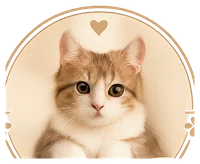
Cat Breeds
Compare cat breeds by size, coat, energy and grooming needs: the best match is the one whose needs fit your household. Use the comparison table, then open each breed profile for temperament, care and health details.
Breed profiles
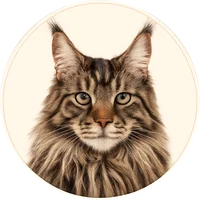
Maine Coon
The Gentle Giants
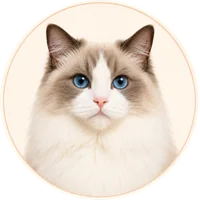
Ragdoll
The Calm Cuddlers
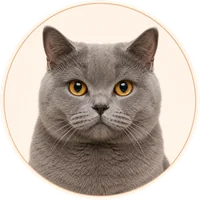
British Shorthair
The Easygoing Teddy Bear
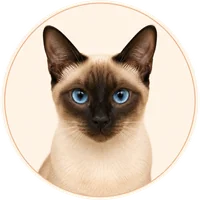
Siamese
The Talkative Companion
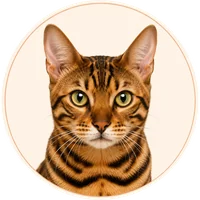
Bengal
The Little Leopard
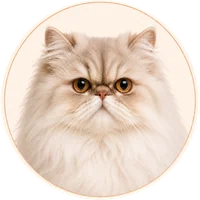
Persian
The Quiet Aristocrat

Sphynx
The Hairless Charmer
Breed comparison at a glance
| Breed | Size | Coat | Energy | Grooming | Personality |
|---|---|---|---|---|---|
| Maine Coon | Large | Semi-long | Moderate | Moderate–high | Gentle and sociable |
| Ragdoll | Large | Semi-long | Low–moderate | Moderate | Calm and cuddly |
| British Shorthair | Medium–large | Short, dense | Low–moderate | Low | Calm and independent |
| Siamese | Medium, slender | Short, fine | High | Low | Vocal and social |
| Bengal | Medium–large | Short, spotted | Very high | Low | Athletic and curious |
| Persian | Medium | Very long | Low | High (daily) | Quiet and gentle |
| Sphynx | Medium | Hairless / fine down | High | Moderate (skin) | Outgoing and clingy |
How do you choose a cat breed?
Start with your own routine rather than looks. Three questions narrow the field quickly:
- How much grooming can you do? A Persian needs daily combing, while a Siamese or Bengal needs about a weekly brush.
- How active do you want your cat to be? Bengals and Siamese need lots of play and climbing; Ragdolls and British Shorthairs are usually calmer.
- How long is the cat alone? Social breeds such as Siamese and Sphynx tend to struggle with long absences.
Breed gives you tendencies, not guarantees. Every cat is an individual, and a good breeder or rescue should let you meet the cat or its parents first.
Do breeds have different health risks?
Yes. Several of the breeds on this page are associated with hypertrophic cardiomyopathy (HCM), and Persians are associated with polycystic kidney disease (PKD). DNA tests exist for some conditions, and for HCM only in Maine Coons and Ragdolls, so ask breeders for written test and heart-screening results for both parents. Each profile lists the specific concerns to ask about.
Are shelter and mixed-breed cats a good choice?
Absolutely. Most cats in homes are domestic shorthairs or longhairs, and they are often healthy, adaptable companions. Shelters and breed-specific rescues also regularly have purebred cats looking for homes, so consider adoption before buying a kitten.
Is any cat breed truly hypoallergenic?
No breed is guaranteed to be allergen-free. Cat allergies are mainly triggered by a protein called Fel d 1 that cats produce in saliva and skin glands, and levels vary between individual cats. If allergies are a concern, spend time with the specific cat before committing.