BEHAVIOR
Most puzzling cat behaviors, such as kneading and scratching, are normal instincts. Learning your cat's body language and meeting its needs for safety, play and separate resources solves many problems before they start. Sudden changes can signal illness or stress.
A relaxed cat usually has a loose body, soft eyes and a tail held gently or upright when greeting you. Slow blinks are a calm, friendly signal. A cat that is frightened or uneasy may flatten its ears, widen its pupils, crouch, twitch its tail or hiss. Give a cat in that state space instead of forcing contact.
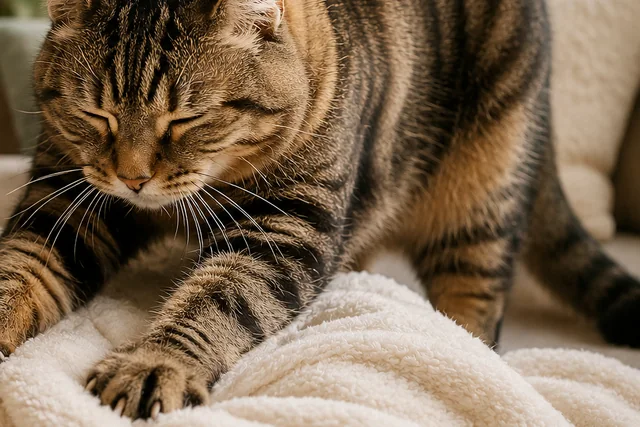
Many behaviors are instinct: kneading is comfort and scent marking, and scratching is claw care and communication. Rather than punishing, provide an appropriate outlet.
The AAFP and ISFM environmental guidelines describe five pillars: a safe place, multiple and separate resources (food, water, litter, scratching and resting spots), opportunity to play and hunt, positive consistent human interaction and respect for the cat's sense of smell. Meeting these needs reduces stress and unwanted behavior.
Urinating outside the litter box, new aggression, hiding or excessive vocalizing can all have medical causes such as pain, urinary problems or hyperthyroidism. Always check with your vet before assuming it is a behavior issue.
Cats meow to greet, ask for food or attention, or because they are bored, stressed or unwell. A sudden increase, especially in an older cat, can signal pain, hyperthyroidism or cognitive changes, so mention it to your vet. Some breeds, such as the Siamese, are naturally talkative.
Cats rub their cheeks on people and furniture, scratch and sometimes spray to leave scent messages. Rubbing is usually friendly, while spraying often signals stress or a territory issue and deserves a vet check and a look at the home environment.
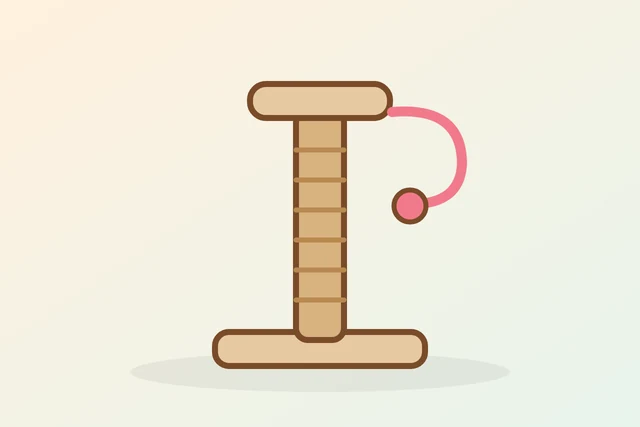
Keep routines predictable, give each cat its own resources, provide hiding and high places, and introduce changes gradually. Playing every day and offering safe scratching places help a cat feel secure.