Sphynx at a glance
- Origin
- Canada (natural mutation, 1960s)
- Size
- Medium: roughly 6–12 lb (2.7–5.4 kg)
- Coat
- Hairless to fine down, skin needs care
- Temperament
- Outgoing, affectionate, attention-seeking
- Energy
- High
- Grooming
- Moderate (bathing and ear cleaning)
- Known for
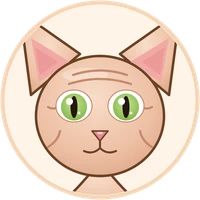
- Wrinkled, hairless look and love of warmth
Where does the Sphynx come from?
The Sphynx originated from a natural genetic mutation, not from a planned cross, and the modern breed was built from kittens born in Canada in the 1960s and 1970s. The CFA recognized the Sphynx in 2006. "Hairless" is not entirely accurate: most have a soft, fine down that feels like suede.
What is a Sphynx's personality like?
Sphynx cats are outgoing, affectionate and attention-seeking. They often greet visitors, burrow under blankets, and look for warm laps. Most are active and playful, and many dislike being alone for long hours, so a second pet or a work-from-home owner helps.
How do you care for a Sphynx's skin?
Without fur to absorb skin oils, Sphynx cats can get greasy and leave marks on furniture. Many need a gentle bath every few weeks with a cat-safe shampoo, thoroughly rinsed and dried. Clean the ears regularly, because there is no hair to trap wax, and wipe nail folds. Provide warm bedding and cat sweaters if needed. Because skin is exposed, limit direct sun through windows and avoid unsupervised outdoor time. Ask your vet about any skin changes.
What health problems affect Sphynx cats?
Heart disease, particularly hypertrophic cardiomyopathy (HCM), is a recognized concern in the breed, and researchers have included Sphynx cats in studies of HCM-linked gene variants. A recent genetic study advised that routine DNA testing is supported only for Maine Coons and Ragdolls, so ask Sphynx breeders about heart ultrasounds of their breeding cats. Skin problems, ear and dental issues and sensitivity to temperature are also relevant. Plan regular vet visits, and read our health hub for warning signs.
Is a Sphynx right for you?
A Sphynx is a great fit if you want a social, warm and entertaining cat and do not mind regular bathing and ear care. Their grooming needs are different, not lighter, than for a furry breed. If you want a more reserved cat, consider a British Shorthair.
Sources and further reading
- Cat Fanciers' Association (CFA): breed information and registration standards
- CFA: Most Popular Breeds for 2023
- OMIA: Feline familial hypertrophic cardiomyopathy (MYBPC3 tests for Maine Coon and Ragdoll)
- Frontiers in Veterinary Science (2024): Classification of feline HCM-associated gene variants
- Cornell Feline Health Center: veterinary health information for cats