Bengal at a glance
- Origin
- United States
- Size
- Medium to large: roughly 8–15 lb (3.6–6.8 kg)
- Coat
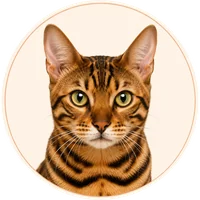
- Short, dense, spotted or marbled
- Temperament
- Active, curious, confident
- Energy
- Very high
- Grooming
- Low
- Known for
- Leopard-like spots and athleticism
Where do Bengal cats come from?
Bengals were developed in the United States from the 1960s onward by breeding domestic cats with the Asian leopard cat, a small wild cat. Pet Bengals sold today are typically several generations removed from that cross and are bred as domestic cats. Rules about owning early-generation hybrids vary by location, so check local regulations before buying.
What is a Bengal's personality like?
Bengals are active, curious and confident. Many like to climb, open cupboards, fetch and play in water. They need much more activity than an average cat: daily interactive play, tall vertical space, puzzle feeders and rotating toys. Without enough stimulation they may become destructive or loud. They usually bond closely with their family but are not always content to be lap cats.
How much grooming does a Bengal need?
Little. The short, dense coat needs a weekly brush, mostly to remove loose hair and keep the skin healthy. Nail trims and dental care follow the same routine as for other cats.
What health problems affect Bengals?
Reported breed-linked conditions include hypertrophic cardiomyopathy (HCM), progressive retinal atrophy (PRA-b) and pyruvate kinase deficiency (PK-def), a hereditary condition affecting red blood cells. DNA tests are available for PRA-b and PK-def, and breeders can also screen hearts by ultrasound. Ask for written results for both parents before buying a kitten.
Is a Bengal right for you?
A Bengal suits experienced, active households with space to climb and time to play, ideally with secure cat-proofed spaces and a sturdy cat tree. If you want a relaxed companion, a Ragdoll or British Shorthair will usually be a calmer match.